A construction and demolition (C&D) dumpster handles the heavy, mixed scrap a remodel or teardown produces, materials the U.S. EPA groups under construction and demolition debris , which makes up over 600 million tons…
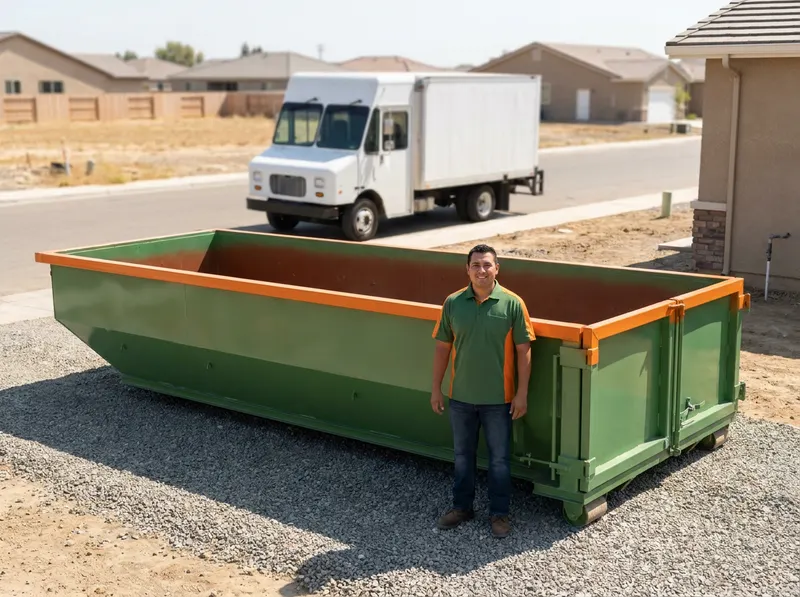
A construction and demolition (C&D) dumpster handles the heavy, mixed scrap a remodel or teardown produces, materials the U.S. EPA groups under construction and demolition debris, which makes up over 600 million tons of U.S. material yearly. Big Haul Dumpster Rentals carries five roll-off sizes so a bathroom gut in Green Acres and a full roof tear-off in Shannon Ranch each get the right bin instead of a guessed one. Step 1: call or text the job and the drop spot. Step 2: the size is matched to the debris volume. Step 3: the flat price is confirmed before delivery. Step 4: the bin arrives, often within 24 hours. Step 5: a call brings the pickup when the pile is loaded.
Size fit follows volume, not square footage. A 10-yard bin ($695) holds about 4 pickup loads and suits a single-room remodel, a small bath tear-out, or a flooring swap in the College Area. A 20-yard ($795) holds roughly 8 pickup loads and fits a kitchen rebuild or a garage-and-patio demo in Riverway. A 30-yard ($895) absorbs a full roof tear-off or a multi-room renovation in Royal Oaks, and the 40-yard ($995) covers whole-house framing scrap or a commercial build-out near Downtown Visalia. The trade-off is driveway footprint against debris capacity: a 40-yard is about 22 feet long and needs clear access, while a 10-yard tucks onto a tight Linwood or West Visalia driveway. If a project is one room, the 10- or 15-yard usually wins; if it is a tear-off or new framing, the 30- or 40-yard stops the second-haul trip.
Heavy clean loads, concrete, brick, asphalt, dirt and block, ride in a dedicated 10-yard heavy bin because dense rubble reaches a legal road weight long before the box looks full. Keeping concrete separate from mixed C&D also keeps disposal clean, since recovered concrete and masonry are routinely crushed and recycled per CalRecycle construction and demolition guidance. Mixed C&D wood, drywall and metal go in the standard bins; sorting at the source raises the recovery rate reported by programs like Earth911 recycling directories.
Some material cannot go in a C&D bin. Household hazardous waste, paint, solvents, adhesives, and treated or contaminated material flagged under EPA household hazardous waste rules, stays out, as do tires, batteries, wet paint, and refrigerant appliances. Pre-1980 demolition can involve asbestos or lead covered by OSHA asbestos standards and the California lead safety program, which require licensed abatement before debris can be binned. Electrical and electronic scrap follows California DTSC e-waste handling, and roofing that crosses property lines or blocks a sidewalk may need a permit, Visalia placement on a public street falls under the City of Visalia right-of-way rules, while a private driveway in Seven Oaks or Mill Creek needs none. Jobsite loading itself is governed by OSHA construction safety standards, so bins are placed on firm, level ground with boards under the wheels to protect the slab. A dumpster rental is not junk removal: the container is dropped and the crew loads it at their own pace, with pickup on a phone call.
Every job gets a firm, written price after an on-site visit.
Tell us about your construction & c&d dumpster rental job in Visalia and we'll send a clear, written quote, usually the same day.
 Big Haul Dumpster Rentals